0

Your Cart is Empty

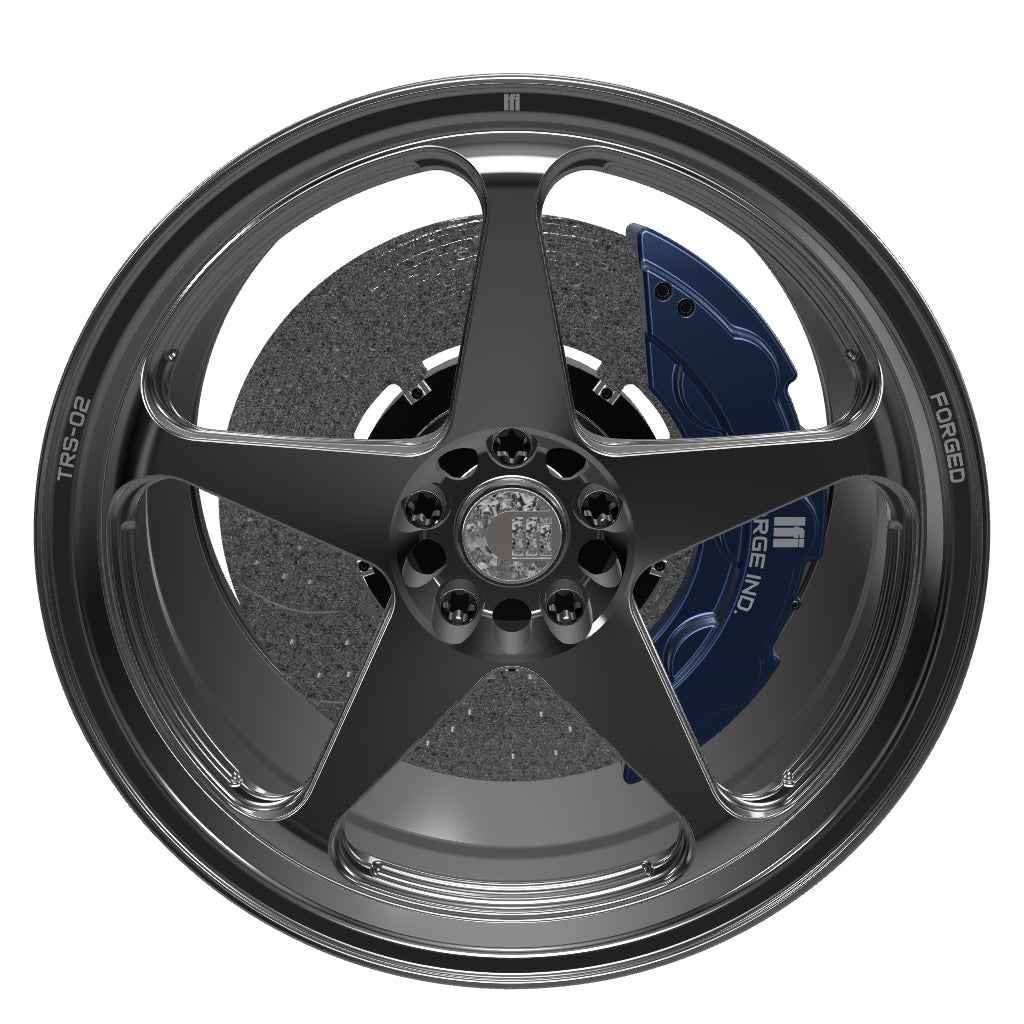
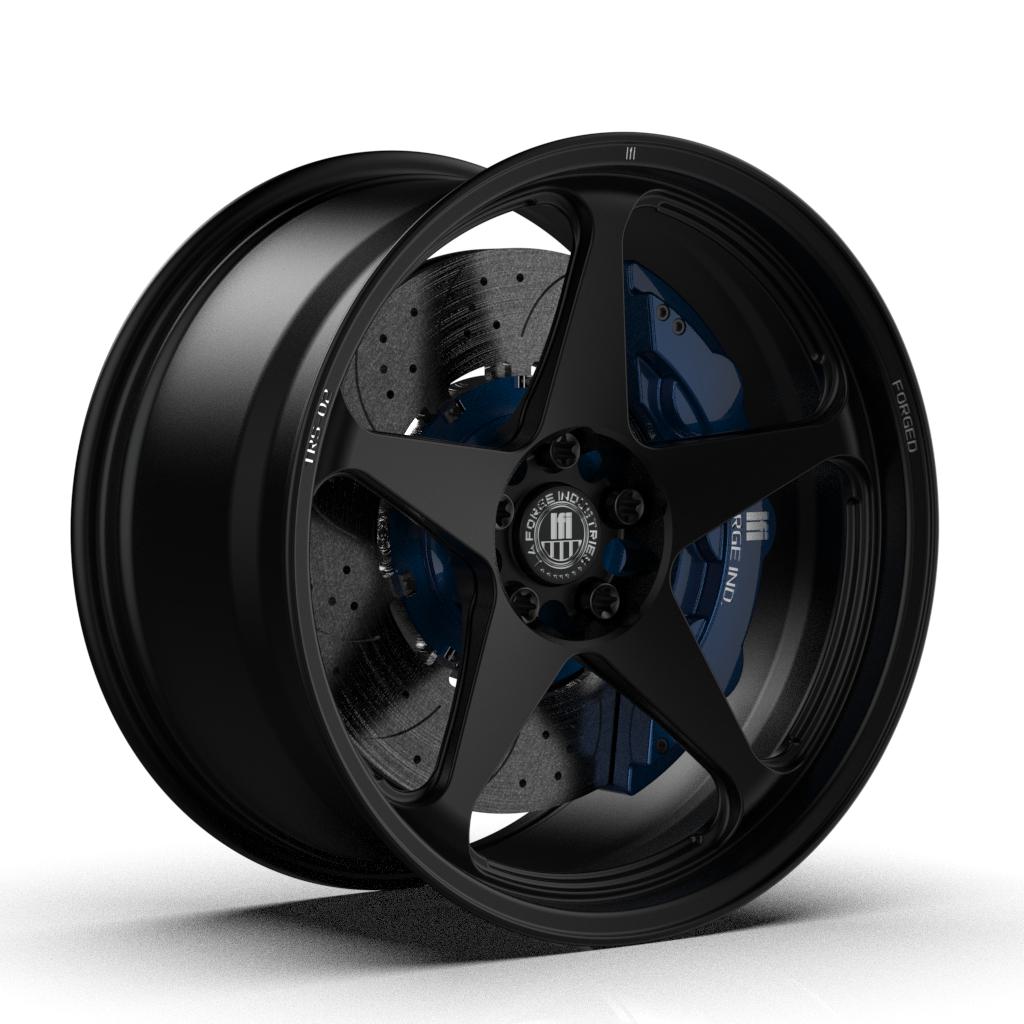
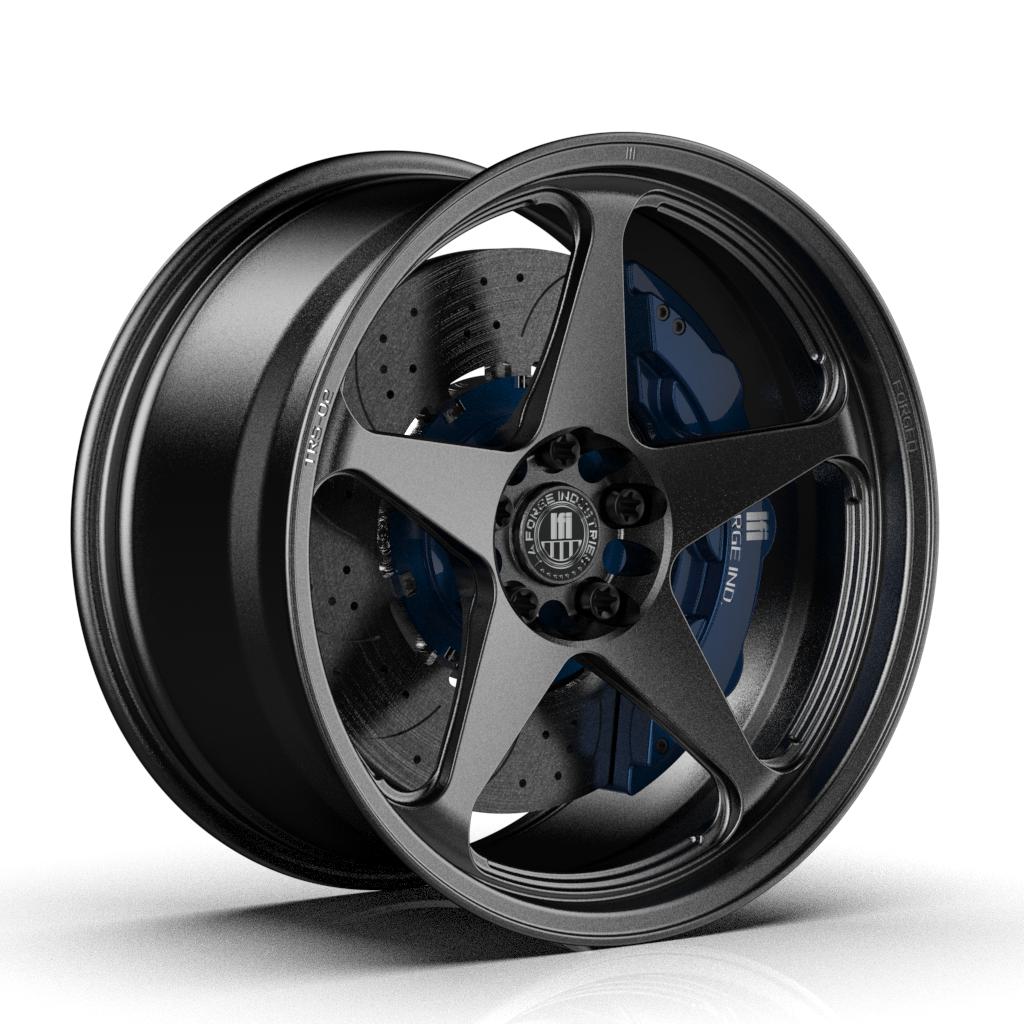
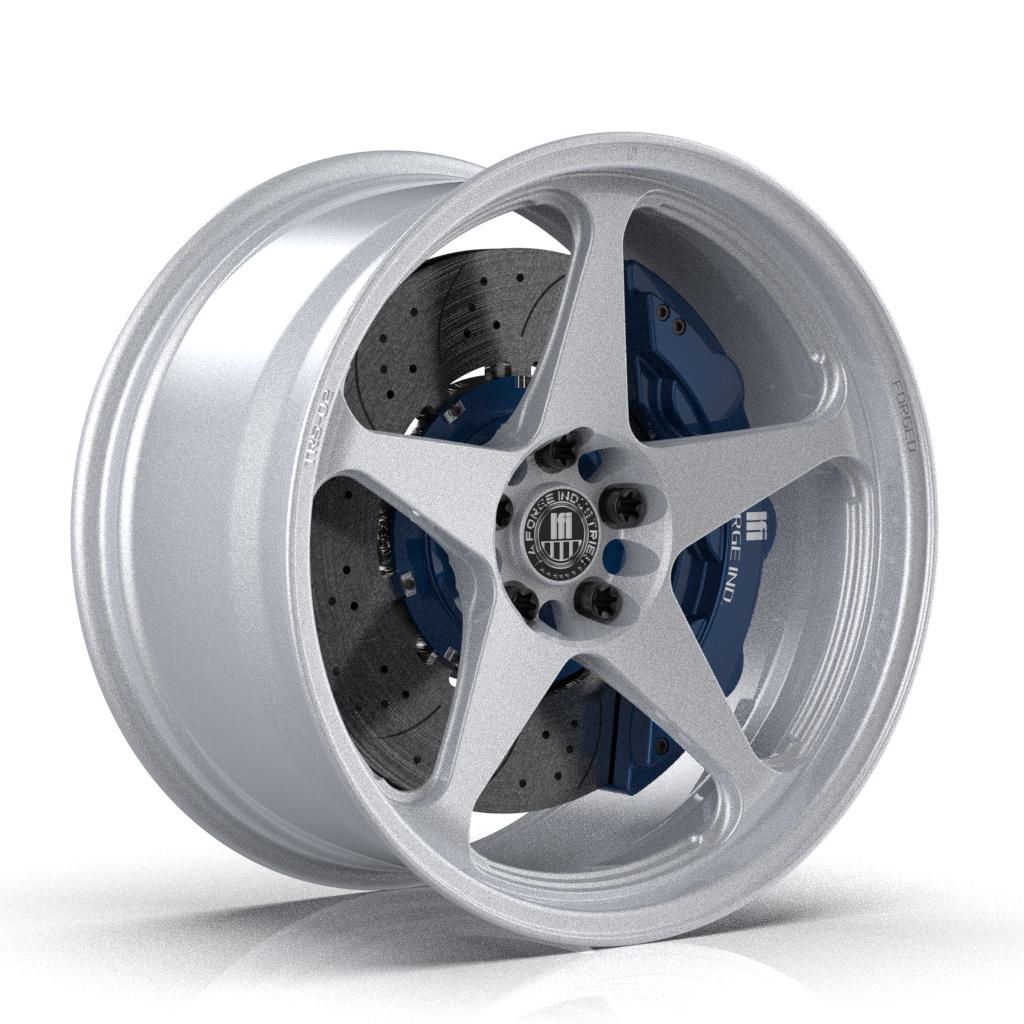
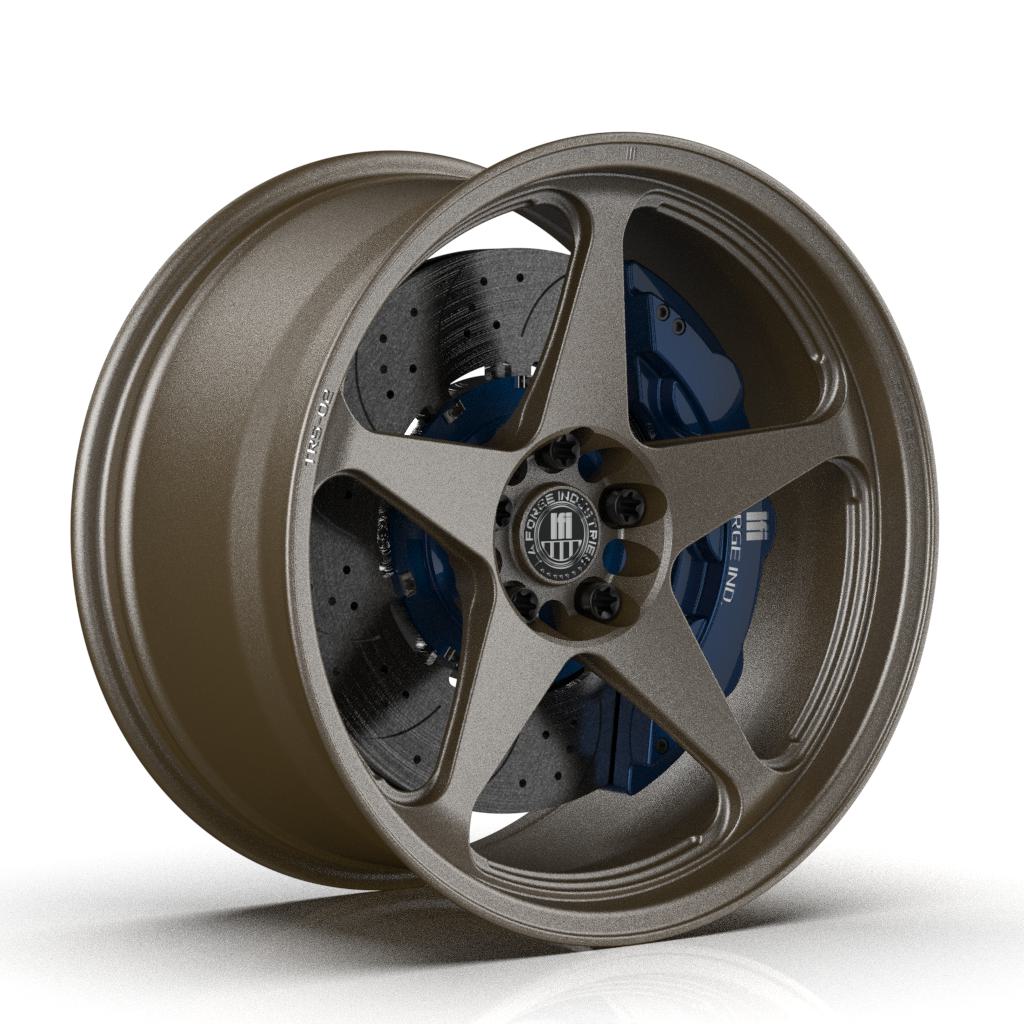
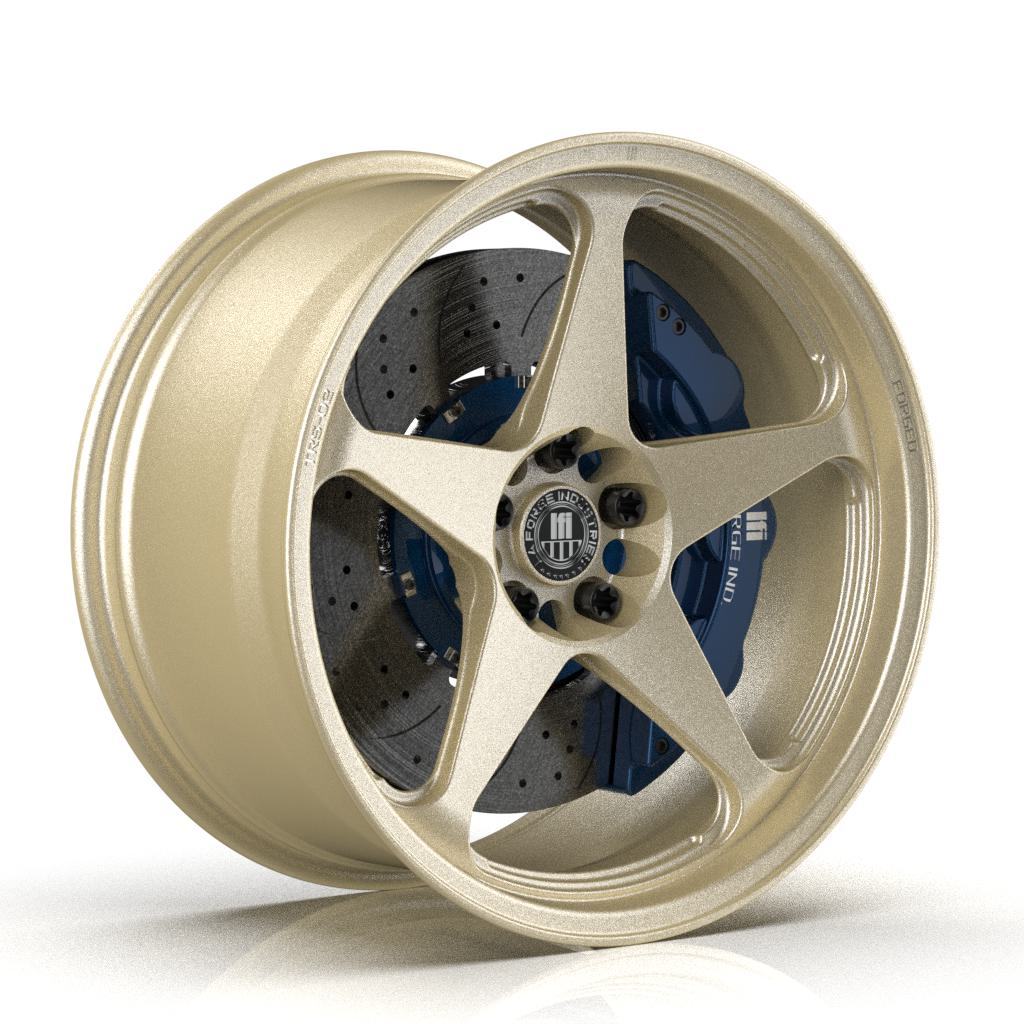
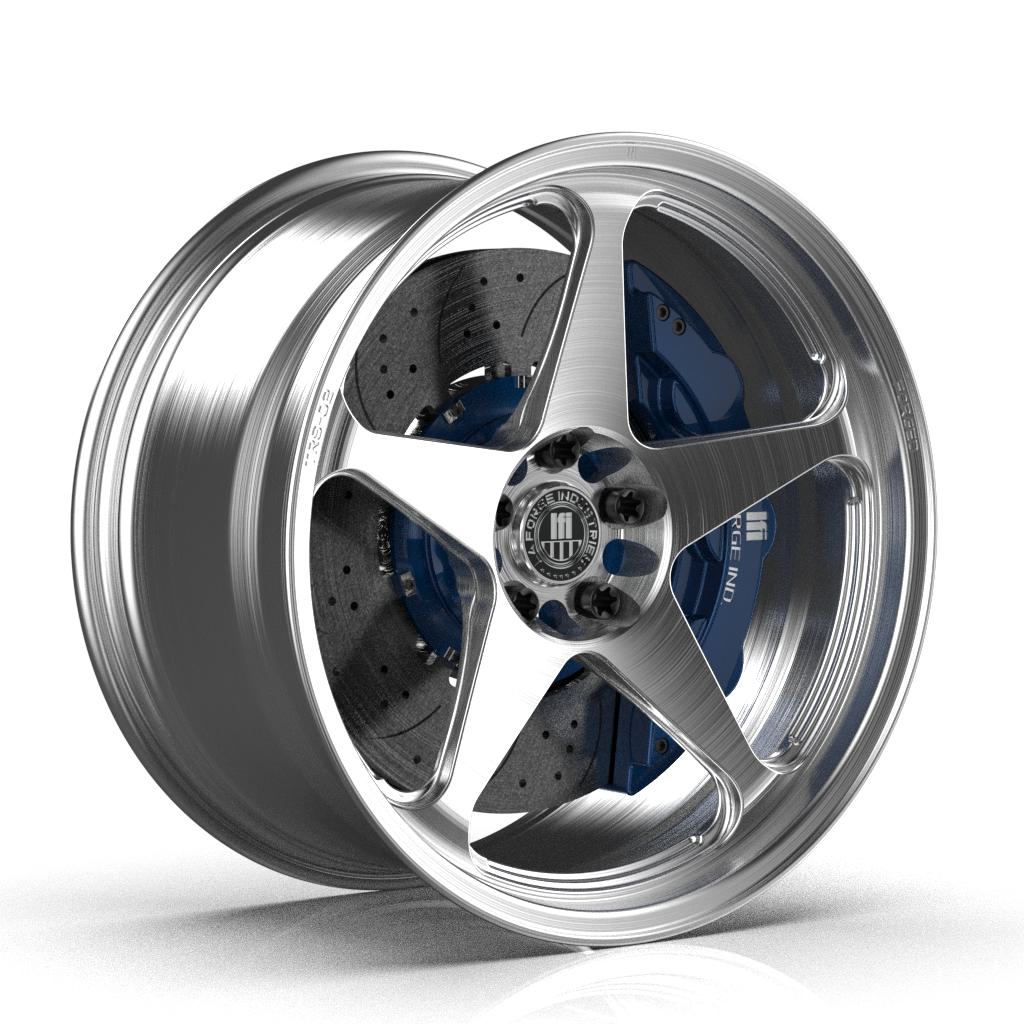
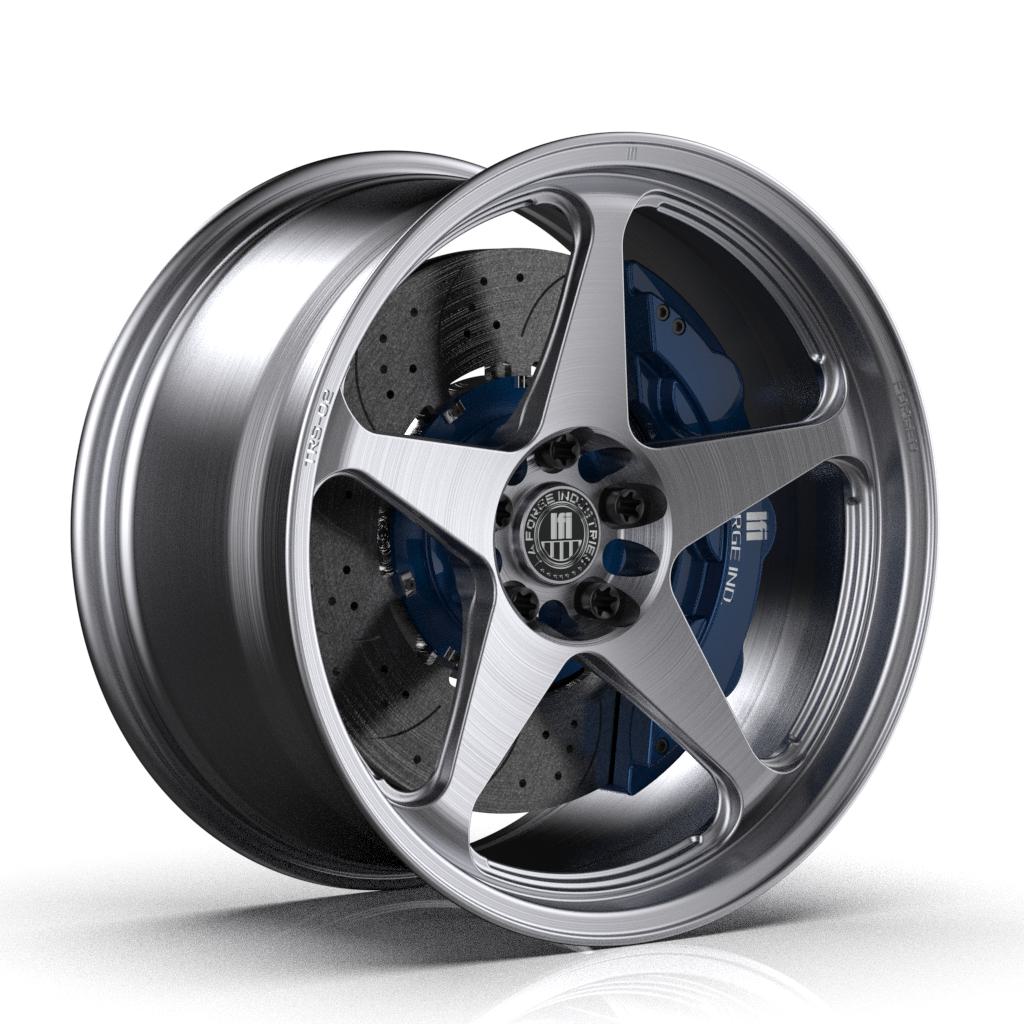
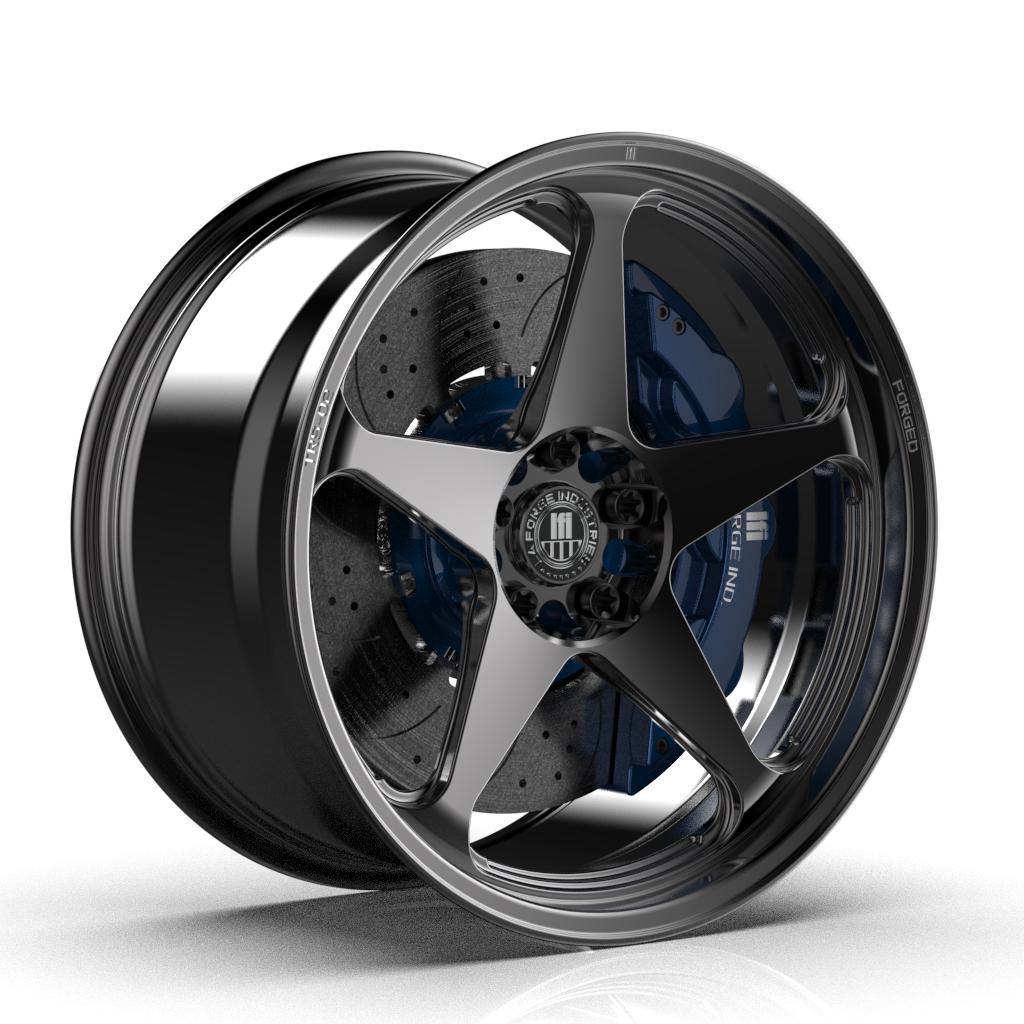
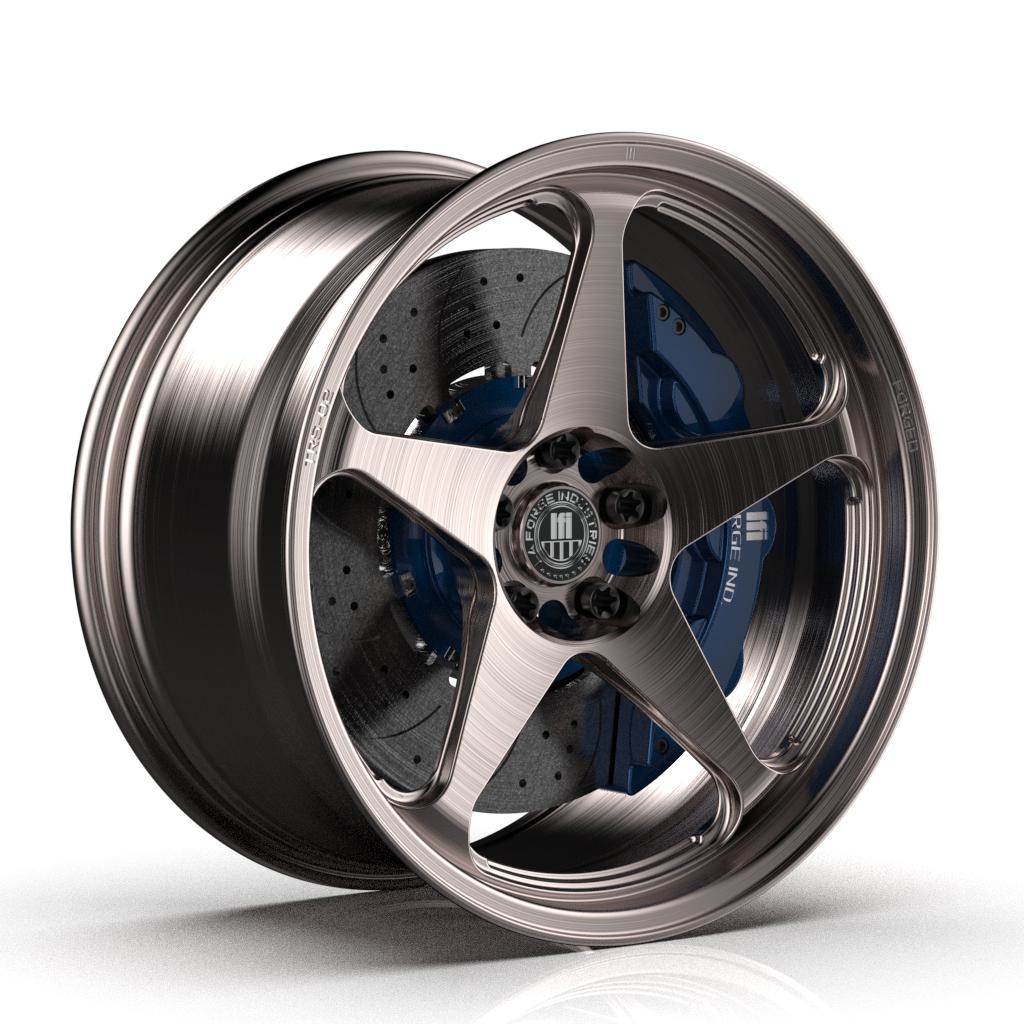
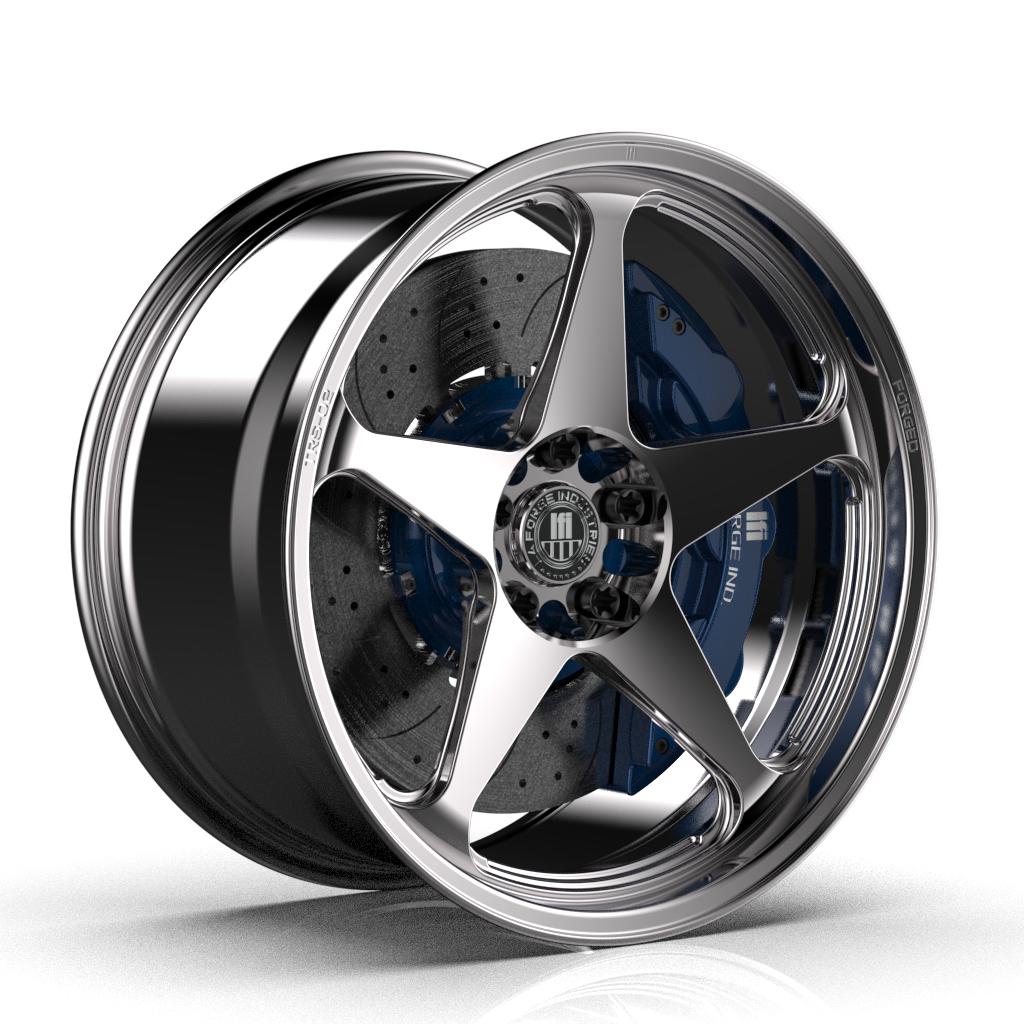
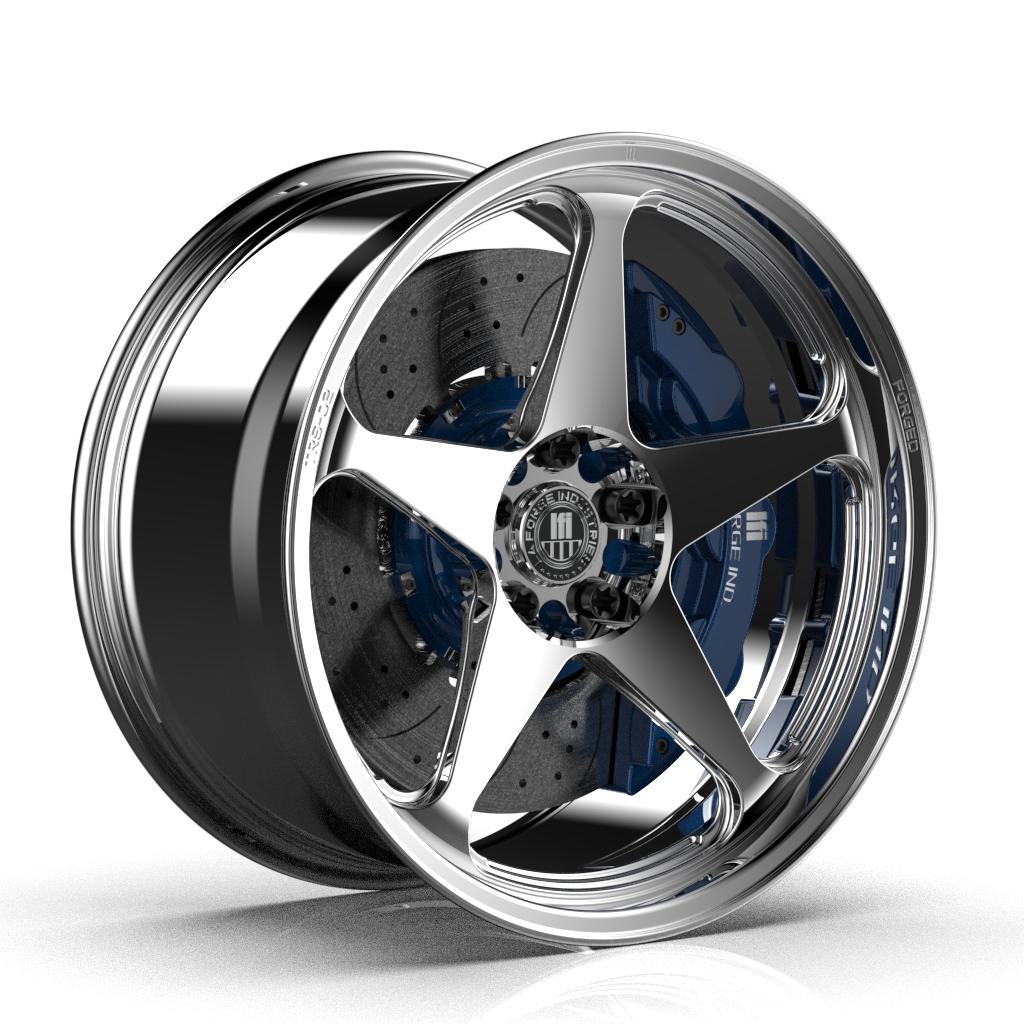
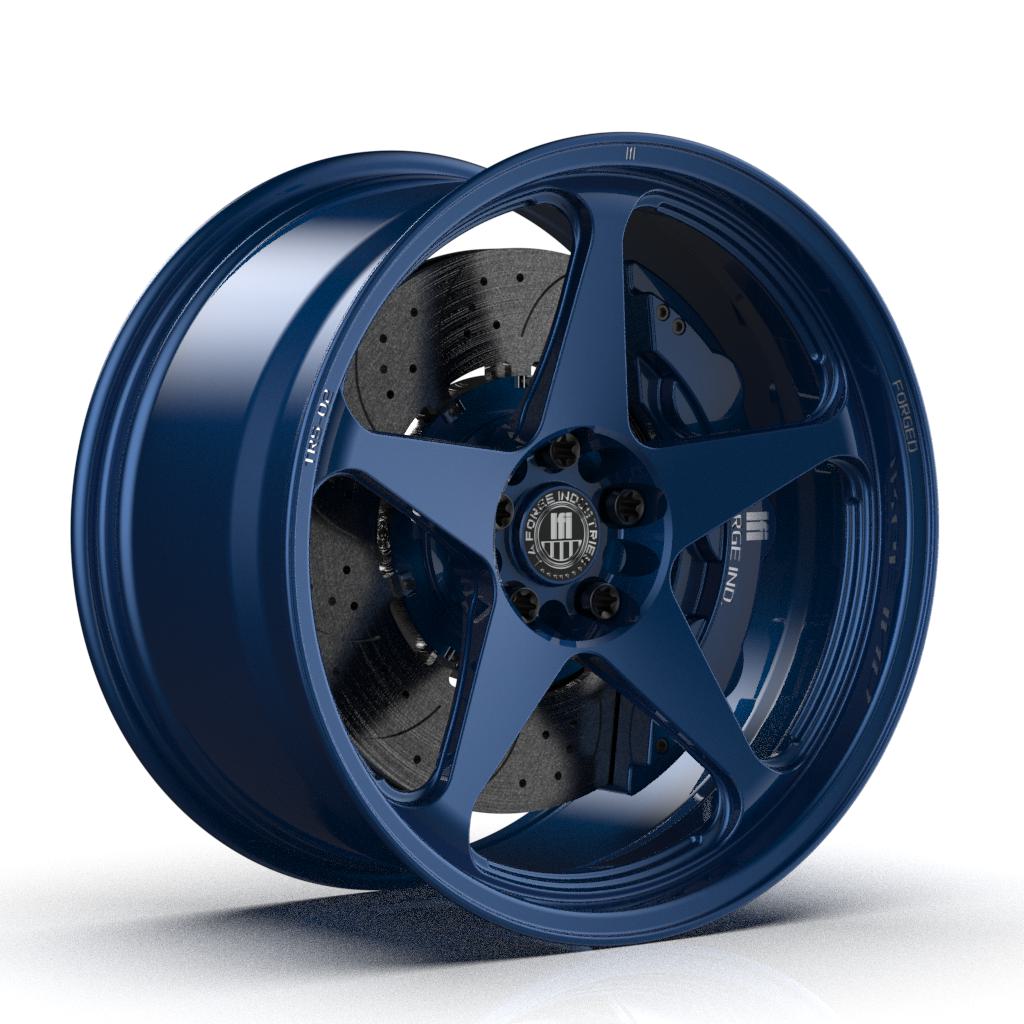
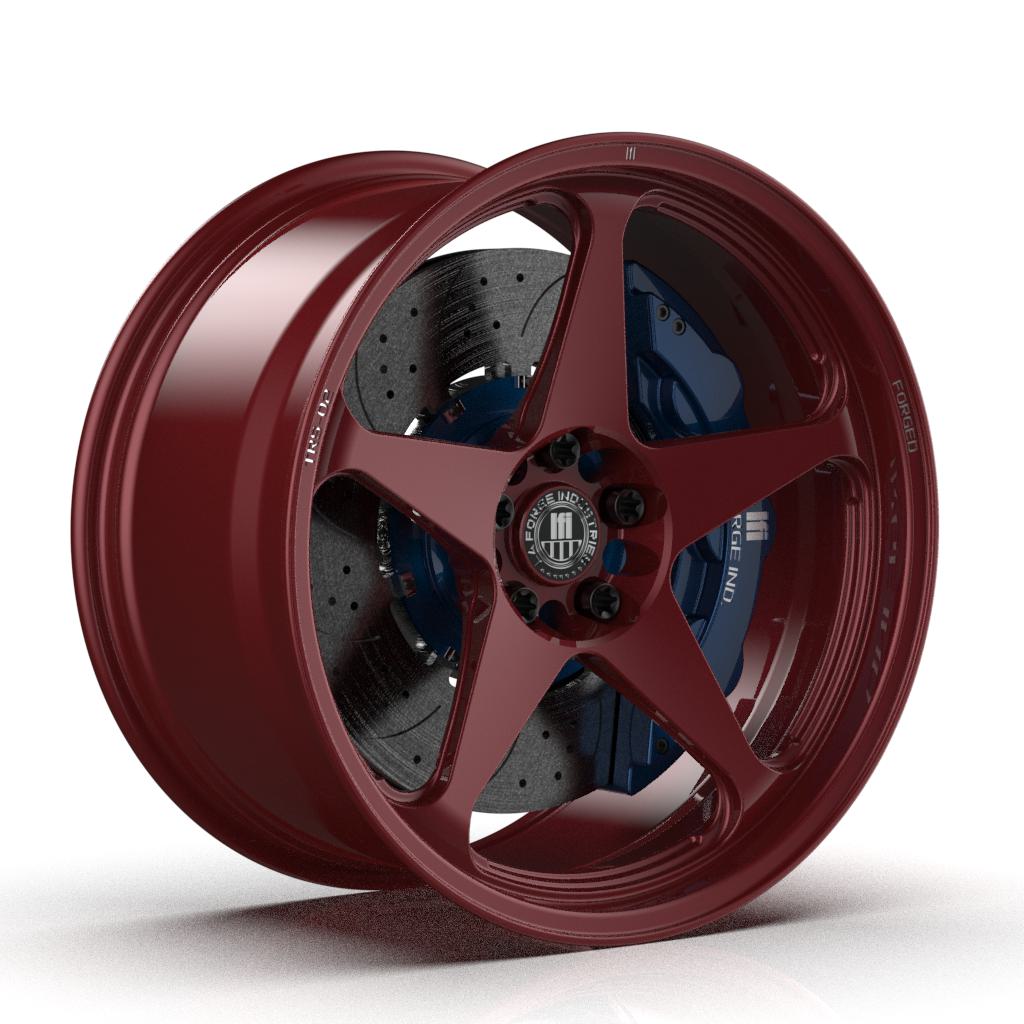
LFI TRS-02 V2 Racing Forged Wheel

Price per wheel
  • Material6061-T6 forged aluminium
  • Sizing16-21 inch
  • Width5.5J to 13J
  • Offset-44 to +70
  • Load targetUp to 1050 kg
  • Forging12,000-ton Forged
Price per Wheel
Material6061-T6 forged aluminium
Sizing16-21 inch
Width5.5J to 13J
Offset-44 to +70
Load targetUp to 1050 kg
Forging12,000-ton forged

Configure your wheel set

Select your fitment details before adding to cart.

Qty
Forged Monobloc Performance Wheel

TRS-02 V2

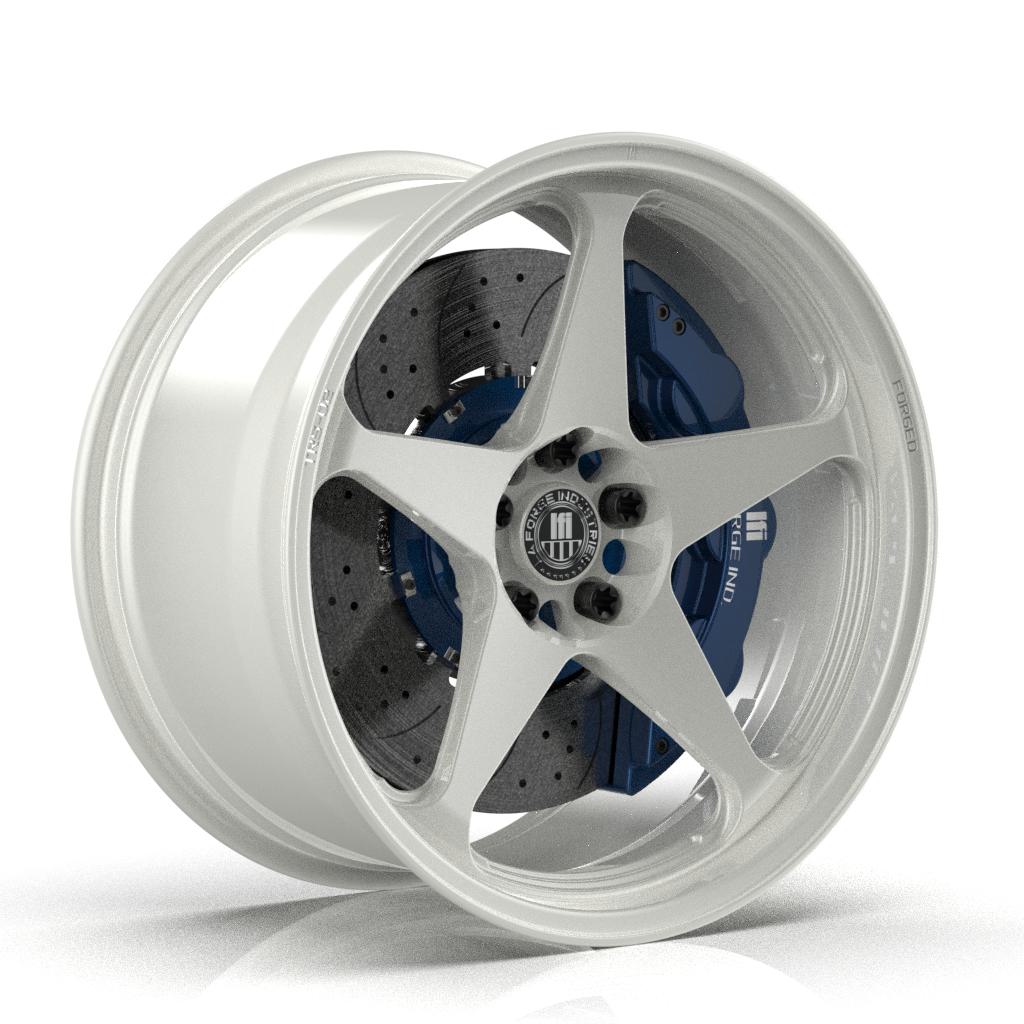
TRS-02 V2 is the lightweight specialist: the wheel you look at when the car needs to feel sharper on turn-in, easier under braking, and more alive over quick direction changes.

Toyota GR Yaris on LFI TRS-02 V2 forged monobloc wheels used as TRS-02 V2 product hero image
Toyota GR Yaris on LFI TRS-02 V2 forged monobloc wheels, cropped in a 1200×800-style hero frame to focus on the car and wheel fitment.
12,000t high-pressure forged construction
890 kg load rating target
16–21" made-to-order diameter range
Spec-led weight varies by width, offset and brake clearance
Performance Fitment

TRS-02 V2 Design Intent

TRS-02 V2 is best for owners who care about feel first. It pairs well with sticky tires, smaller performance cars, and track setups where lighter rotating mass makes the whole car feel more alert. The current table spans roughly 5.6 to 13 kg depending on size, so smaller fitments favor response while larger fitments add stance and load reserve.

Forged 6061-T6 Aluminium Monobloc

Each wheel is cut from forged 6061-T6 aluminium and finished to suit the build. Width, offset, bolt pattern, center bore, concavity, and color are selected after the car and tire setup are known.

Best On The Right Car

Strong match for GR Yaris, GT86/BRZ, Civic Type R, MX-5, Lotus, and compact track cars that reward low unsprung weight.

Driver Notes

Why TRS-02 V2 Feels Different

Strong match for GR Yaris, GT86/BRZ, Civic Type R, MX-5, Lotus, and compact track cars that reward low unsprung weight.

01

Fast response.
Less rotating and unsprung mass helps the car feel more eager on steering, braking, and acceleration.

02

Real brake planning.
Spoke profile, center pad, and inner clearance are checked around the actual brake package.

03

Custom stance without guessing.
Width, offset, bolt pattern, center bore, and finish are confirmed before production.

Owner translation: TRS-02 V2 is for the driver who wants the car to feel lighter on its feet, keep proper brake clearance, and run a clean spec instead of forcing a generic shelf wheel.

Forged 6061-T6 Aluminium Monobloc

TRS-02 V2 starts with a dense 6061-T6 forged aluminium blank, then gets CNC-machined into a one-piece forged monobloc wheel. Compared with cast or flow-formed alloy rim wheels, this gives LFI more room to reduce weight while keeping strength in the hub, spokes, bolt seats, and barrel transitions.

  • Forged monobloc base
  • 6061-T6 aluminium
  • weight-saving machining
  • Track / street fitment

Made-to-Order Track Fitment

TRS-02 V2 is not locked to one generic wheel size. Diameter, width, offset, bolt pattern, center bore, brake clearance, and finish are chosen around your car. That matters for GR Yaris, GT86 / BRZ track setups, EV street builds, big-brake conversions, and flush performance fitments.

  • Custom offset
  • brake clearance check
  • bolt pattern and center bore matching
  • Vehicle-specific stance
Engineering Detail

Cut Weight Keep Structure

A lightweight forged wheel is not just about the number on the scale. TRS-02 V2 is built to keep response sharp while still giving the tire, brakes, hub, and barrel the support they need.

01

CNC pocketing.
Material is removed from low-stress zones to reduce rotating mass without weakening the working structure.

02

Spoke-to-barrel support.
The spoke root and barrel transition are treated as structural zones, especially for track tires and higher-load vehicles.

03

Brake-first fitment.
Inner clearance and spoke shape are checked before production so the wheel suits the car, caliper, tire, and stance target.

Customer Proof

Verified TRS-02 V2 Customer Fitment Samples

Confirmed TRS-02 V2 customer cases are shown here to demonstrate real forged-wheel fitment across compact AWD performance and rear-wheel-drive track-style platforms.

Toyota GR Yaris — TRS-02 V2 Customer Build

GR Yaris customer fitment on LFI TRS-02 V2 forged monobloc wheels. This sample adds a compact AWD performance platform to the verified TRS-02 V2 use cases, alongside the GT86 / BRZ rear-wheel-drive examples.

Toyota GR Yaris on LFI TRS-02 V2 forged monobloc wheels
GR Yaris customer build on TRS-02 V2 forged monobloc wheels.

Toyota GT86 2013 — 17×9 ET35 Square

Photo-backed INV2025-31-9197 customer build. This is the cleanest proof case for the classic ZN6 GT86 / BRZ 17×9 ET35 square setup.

Toyota GT86 2013 on LFI TRS-02 V2 forged monobloc wheels side profile
9197 build side profile on TRS-02 V2.
Toyota GT86 TRS-02 V2 forged monobloc wheel close-up
White TRS-02 V2 wheel close-up.
Toyota GT86 rear quarter on LFI TRS-02 V2 forged monobloc wheels
Rear-quarter stance and tire fit.

Toyota GT86 2013 — Supporting Customer Build

Photo-backed INV2025-31-7706 customer build. Together with 9197, it supports repeated real-customer GT86 / BRZ production fitments around the same formula.

Orange Toyota GT86 side profile on LFI TRS-02 V2 forged monobloc wheels
7706 build side profile.
Orange Toyota GT86 front three-quarter view on LFI TRS-02 V2 forged monobloc wheels
Front three-quarter view.

More Custom Platforms

TRS-02 V2 can be configured for compact performance cars, lightweight track builds, fast-road hatchbacks, modern sedans, and selected EV applications where brake clearance, offset control, and forged-wheel strength matter.

  • Track-day wheel fitment
  • Fast-road forged rims
  • Custom bolt pattern support
  • brake clearance planning
Have another platform in mind? Send brake photos, tire target, current wheel spec, and stance goal first. Suitable does not mean guessed.
Approx. Weight

Approximate TRS-02 V2 Weights

Approximate weight excludes center cap and valve. Final weight changes with width, offset, bolt pattern, brake clearance, load rating, and machining depth.

16 inch Weight 17 inch Weight 18 inch Weight 19 inch Weight 20 inch Weight 21 inch Weight
16×5.5J 5.6 kg / 12.3 lb 17×6.5J 6.5 kg / 14.3 lb 18×7J 7.5 kg / 16.5 lb 19×7.5J 8.4 kg / 18.5 lb 20×8J 9.4 kg / 20.7 lb 21×8J 10.6 kg / 23.4 lb
16×6J 5.8 kg / 12.8 lb 17×7J 6.7 kg / 14.8 lb 18×7.5J 7.7 kg / 17.0 lb 19×8J 8.5 kg / 18.7 lb 20×8.5J 9.6 kg / 21.2 lb 21×8.5J 10.8 kg / 23.8 lb
16×6.5J 6.0 kg / 13.2 lb 17×7.5J 6.9 kg / 15.2 lb 18×8J 7.9 kg / 17.4 lb 19×8.5J 8.6 kg / 19.0 lb 20×9J 9.8 kg / 21.6 lb 21×9J 11.0 kg / 24.3 lb
16×7J 6.2 kg / 13.7 lb 17×8J 7.1 kg / 15.7 lb 18×8.5J 8.1 kg / 17.9 lb 19×9J 8.7 kg / 19.2 lb 20×9.5J 10.0 kg / 22.0 lb 21×9.5J 11.2 kg / 24.7 lb
16×7.5J 6.4 kg / 14.1 lb 17×8.5J 7.3 kg / 16.1 lb 18×9J 8.3 kg / 18.3 lb 19×9.5J 8.85 kg / 19.5 lb 20×10J 10.2 kg / 22.5 lb 21×10J 11.4 kg / 25.1 lb
16×8J 6.6 kg / 14.6 lb 17×9J 7.5 kg / 16.5 lb 18×9.5J 8.5 kg / 18.7 lb 19×10J 9.0 kg / 19.8 lb 20×10.5J 10.4 kg / 22.9 lb 21×10.5J 11.65 kg / 25.7 lb
17×9.5J 7.7 kg / 17.0 lb 18×10J 8.7 kg / 19.2 lb 19×10.5J 9.25 kg / 20.4 lb 20×11J 10.65 kg / 23.5 lb 21×11J 11.9 kg / 26.2 lb
17×10J 7.9 kg / 17.4 lb 18×10.5J 8.9 kg / 19.6 lb 19×11J 9.5 kg / 20.9 lb 20×11.5J 10.9 kg / 24.0 lb 21×11.5J 12.15 kg / 26.8 lb
17×10.5J 8.1 kg / 17.9 lb 18×11J 9.1 kg / 20.1 lb 19×11.5J 9.75 kg / 21.5 lb 20×12J 11.2 kg / 24.7 lb 21×12J 12.4 kg / 27.3 lb
18×11.5J 9.3 kg / 20.5 lb 19×12J 10.0 kg / 22.0 lb 20×12.5J 11.5 kg / 25.4 lb 21×12.5J 12.7 kg / 28.0 lb
18×12J 9.5 kg / 20.9 lb 19×12.5J 10.3 kg / 22.7 lb 20×13J 11.8 kg / 26.0 lb 21×13J 13.0 kg / 28.7 lb
18×12.5J 9.8 kg / 21.6 lb 19×13J 10.6 kg / 23.4 lb
18×13J 10.1 kg / 22.3 lb
Weight guide: Use these weights for planning. Final weight changes with size, offset, bolt pattern, brake clearance, load rating, finish, and machining details.
Forging Profile Option

Enhanced Concavity

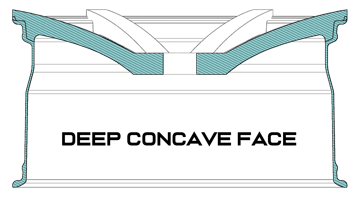
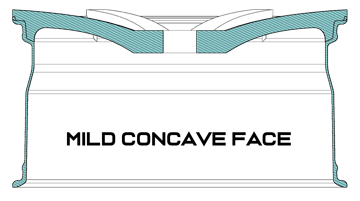
LFI concave profiles are built around the relationship between wheel width, offset, diameter, brake clearance, and forging depth. The goal is simple: push the face as deep as the car allows, without compromising fitment, caliper clearance, or structural integrity.

19–22 inch applications Three concavity levels Offset-sensitive design Cost option

Maximum Concave Face

The Maximum Concave Face option is available for selected LFI Performance Series, Supreme Concave Series, and Project Speciale forged wheel designs. Depending on wheel width and offset, the face profile can be tuned from mild concave to a much deeper spoke drop.

Wider wheels and lower offsets generally allow stronger concavity. In aggressive applications, fitments can extend to very low offsets, including negative-offset builds where the vehicle body, suspension, and brake package allow it.

Three Concavity Levels

Concavity is not selected by diameter alone. The final face depth is calculated from the full fitment package: rim width, offset, brake clearance, vehicle platform, and the chosen forged wheel design.

The exact concavity level is confirmed during fitment planning. LFI checks the target wheel size, brake envelope, center profile, and vehicle clearance before production.

Deep Concave for High-Offset Cars

Some high-offset vehicles do not naturally allow a deep spoke profile because the wheel face must sit further outward to clear the hub and brake package. For these applications, LFI can offer a specialized heavy-duty blank option that creates a more pronounced concave look while keeping the fitment usable.

This is especially useful for cars where the customer wants a stronger visual stance but still needs proper inner clearance, brake clearance, and road-use reliability.

Fitment Still Comes First

Deep concavity must be balanced against caliper clearance, suspension clearance, fender position, tire width, and the actual offset range the vehicle can accept. The most aggressive face is not always the best face for every car.

LFI will always prioritize a correct forged-wheel fitment over forcing a face profile that creates clearance problems.

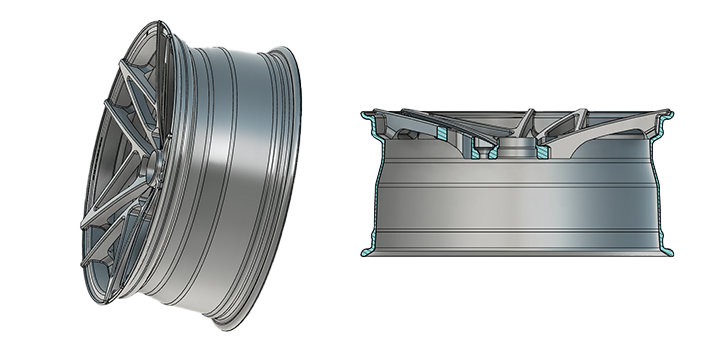
Deep Concave Forging Example

The deep concave forging concept shown below demonstrates how a pronounced face profile can be achieved even on a relatively high-offset fitment, using a 19×8.5J ET42 reference example.

Cost option: Enhanced concavity and deep concave blank selection are optional upgrades. Final availability depends on wheel size, brake clearance, vehicle platform, and the selected LFI wheel model.
Performance Machining Option

Anti-Slip Knurled Beads

Anti-slip knurled beads are small machined grooves on the inner bead seat of the wheel. They increase mechanical grip between the tire and rim, helping reduce tire slip during hard acceleration, braking, cornering, track use, or low-pressure off-road driving.

Machined bead-seat texture Better tire-to-wheel grip Track and performance option Cost option
Anti-slip knurled bead machining on an LFI forged wheel inner bead seat

Why Knurled Beads Matter

Under heavy load, a tire can rotate slightly on the wheel before the car itself moves. That tiny slip can affect wheel balance, alignment marks, steering response, and repeatability during aggressive driving.

Knurled beads add controlled surface bite at the bead seat, helping the tire stay locked in position without changing the exterior look of the wheel.

Best Use Cases

This option is useful for track cars, drag builds, heavy EVs, off-road setups, and high-grip tire packages where tire movement on the rim can become a real-world issue.

It is a functional machining upgrade, not a cosmetic styling option.

Benefits of Anti-Slip Knurled Beads

Prevents Tire Slippage Helps keep the tire locked against the rim during hard acceleration, braking, and cornering.
Improves Stability Reduces unwanted tire movement that can affect balance, steering feel, and high-speed confidence.
More Consistent Performance Useful for track, drag, off-road, and aggressive driving where repeatable grip matters.
Reduces Uneven Tire Wear Minimizes movement-related wear patterns caused by the tire shifting against the bead seat.
Cost option: Anti-slip knurled beads are available as an optional machining upgrade on selected LFI forged wheel builds.
Structural Forging Detail

Annular Reinforcement Ribs

Annular reinforcement ribs are structural ridges added to selected areas of a forged wheel to improve stiffness, load distribution, and durability without simply making the wheel unnecessarily heavy.

Structural rib reinforcement Improved wheel stiffness Stress distribution support No cost option
Annular reinforcement ribs on an LFI forged wheel barrel section

What Reinforcement Ribs Do

Instead of relying only on extra material thickness, reinforcement ribs allow the wheel structure to resist flex more efficiently. The rib geometry helps spread load across the wheel section and supports areas that see repeated stress during road use, cornering, braking, and impact loading.

This is especially useful on performance, EV, SUV, off-road, and track-focused builds where wheel stiffness and long-term fatigue resistance matter.

Why LFI Uses Them

A forged wheel should not be strong only on paper. It needs to hold its shape under real driving loads. Reinforcement ribs help maintain rigidity, reduce unwanted barrel or spoke-area flex, and improve the wheel’s ability to handle demanding use without adding excessive weight.

The result is a cleaner balance between strength, durability, and forged-wheel performance.

Benefits of Annular Reinforcement Ribs

Increased Strength Helps distribute stress across the wheel structure and improves load-bearing performance under demanding use.
Enhanced Rigidity Reduces unwanted flex so the wheel maintains its shape more consistently during aggressive driving.
Better Durability Supports long-term resistance against repeated road loads, impacts, vibration, and fatigue stress.
Improved Heat Management The additional surface structure can help manage heat around the wheel section during heavy braking or extended performance use.
No cost option: Annular reinforcement ribs are included where the selected wheel design, forging blank, and engineering package support them.
FAQ

TRS-02 V2 Questions

Is TRS-02 V2 a forged monobloc wheel?

Yes. TRS-02 V2 is machined from a single 6061-T6 aluminium forged monoblock.

What sizes are available?

TRS-02 V2 is made to order in 16 to 21 inch diameters, with width and offset chosen around your car, brake package, tire target, and load rating.

How heavy is it?

Weight depends on diameter, width, offset, bolt pattern, center profile, brake clearance, load rating, and final machining depth. The published table should be treated as an approximate reference only.

Can it be built for track use?

Yes. TRS-02 V2 can be configured for track-day and motorsport-inspired road builds where low weight, stiffness, brake clearance, and repeatable fitment matter.

Does it include warranty?

Yes. TRS-02 V2 includes a 2-year warranty against structural defects.

Singapore / Global Consultation

TRS-02 V2 Fitment Support from Singapore

LFI supports TRS-02 V2 orders from Singapore and global customers. For local builds, consultation can cover brake clearance, tire sizing, stance targets, Singapore road use, and workshop coordination. For overseas orders, LFI confirms vehicle details before production so the wheel is built around your car, not a generic shelf specification.

  • Singapore fitment consultation
  • Global made-to-order support
  • Brake, tire and stance planning
  • WhatsApp consultation available
Start the Build

Build TRS-02 V2 Around Your car

Send LFI your brake photos, tire target, ride height, current wheel spec, and stance direction. We will talk through the cleanest TRS-02 V2 specification before production.

Talk to LFI on WhatsApp
LFI Updates

Subscribe For New Builds

Sign up to get the latest on sales, new releases and more …

No spam — just LFI product, engineering, and build updates.